
Ceramic Coating for Wheels and Exterior Protection: What It Does and What It Doesn’t
Your car’s paint and wheels take a beating every day. Road grime, brake dust, UV rays, rain, bird droppings, and harsh cleaning chemicals all work against that clean, glossy look you want to keep.
Ceramic coating can help, but it is not magic in a bottle. In this article, you’ll learn what ceramic coating actually does, where it helps most, what it cannot prevent, and how to decide whether it makes sense for your vehicle.
What Ceramic Coating Actually Does
Ceramic coating is a liquid protective layer applied to your vehicle’s painted surfaces, wheels, and sometimes trim. Once cured, it bonds to the surface and creates a slick, durable barrier.
Many drivers searching for the best ceramic coating for cars in Oklahoma City are usually looking for longer-lasting protection than traditional wax or sealant can provide. That is exactly where ceramic coating shines.
A quality coating can help protect against:
UV damage and paint fading
Light chemical stains
Road grime and dirt buildup
Brake dust sticking to wheels
Water spots, when maintained properly
Loss of gloss over time
The big advantage is surface slickness. Dirt, mud, and brake dust have a harder time clinging to a coated surface. That means your car is usually easier to wash and stays cleaner longer between washes.
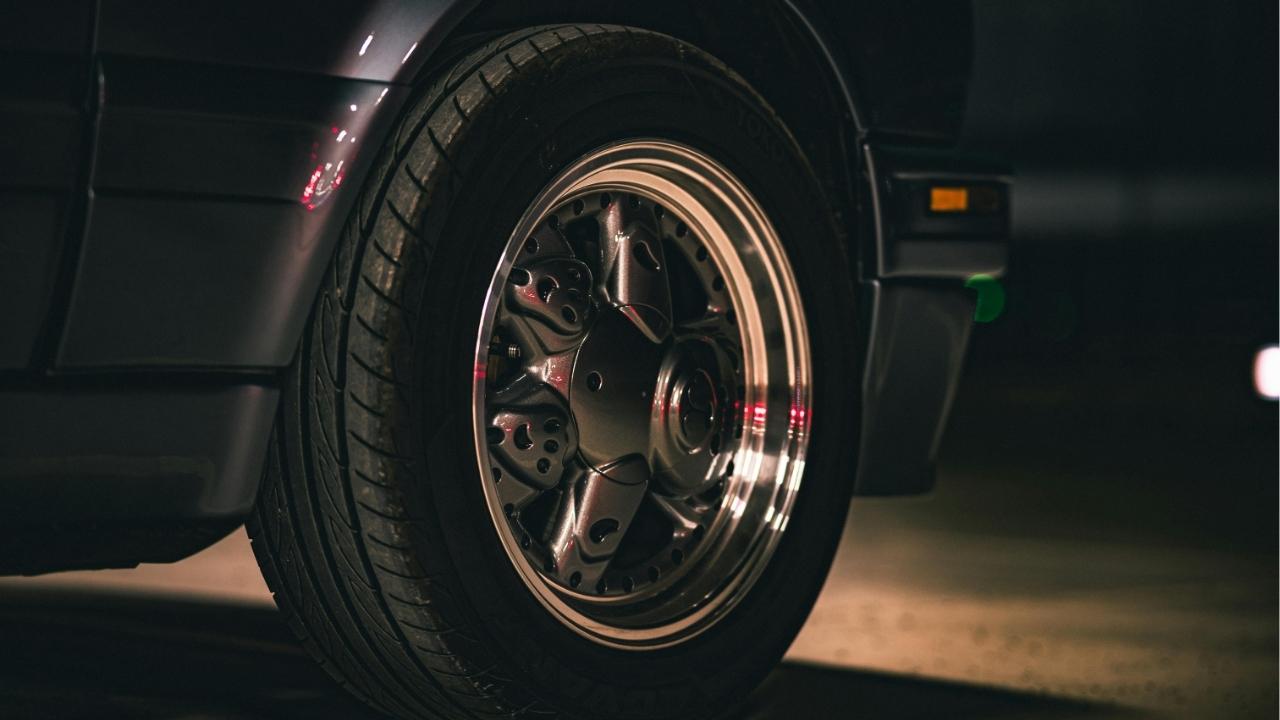
For wheels, this is especially useful. Wheels are exposed to hot brake dust, road tar, and grime almost every time you drive. Ceramic coating helps reduce how strongly those contaminants bond to the wheel finish.
What Ceramic Coating Does Not Do
Here is the honest truth: ceramic coating does not make your car bulletproof. It is protective, but it is not armor.
Ceramic coating will not stop:
Rock chips
Deep scratches
Door dings
Curb rash
Poor washing damage
Existing paint defects
Rust from untreated damage
If your vehicle already has swirl marks, oxidation, or scratches, coating will not erase them. Paint correction may be needed before applying the coating. Otherwise, the coating can lock in imperfections underneath the glossy finish.
This is why reputable automotive services in Oklahoma City often inspect the paint first before recommending ceramic coating. The prep work matters just as much as the product itself.
Think of ceramic coating like a premium shield against environmental damage. It helps preserve the finish, but it cannot replace careful driving, proper washing, or body repair when damage happens.
Why Wheels Benefit from Ceramic Coating
Wheels are one of the hardest-working parts of your vehicle’s exterior. They deal with constant heat, friction, moisture, dust, and debris.
Brake dust is especially nasty. It can be corrosive and difficult to remove if left sitting too long. Over time, it can dull the finish and make wheels look older than they are.
Ceramic coating creates a smoother surface, so brake dust and grime rinse away more easily. This does not mean your wheels will never get dirty. They will. But cleaning them usually becomes faster and less frustrating.
Coated wheels also tend to hold their shine better. For drivers who care about curb appeal, that matters. Clean wheels can make the entire vehicle look newer, even before anyone notices the paint.
When Ceramic Coating Is Worth It
Ceramic coating is worth considering if you plan to keep your vehicle for several years, park outside often, or want easier maintenance. It is also a smart option for newer vehicles because the paint is usually in better condition and needs less correction before coating.
However, it may not be the best first step if your vehicle has dents, peeling paint, rust, or collision damage. In that case, an auto body shop should fix the underlying issues before any coating is applied.
Ceramic coating works best as part of a bigger care plan. Wash the vehicle properly. Avoid automatic brush washes. Use pH-balanced soaps. Dry the car with clean microfiber towels. Maintain the coating with approved products.
Short Case Study: A Daily Driver That Stayed Cleaner
A local driver brought in a black sedan that was used every day for commuting, errands, and weekend trips. The paint looked decent but had light swirl marks, and the wheels were stained from brake dust. After a light paint correction and ceramic coating on the exterior and wheels, the car became much easier to clean. Two months later, the owner reported that weekly washes took less time and the wheels no longer needed heavy scrubbing. The car still got dirty, but the dirt did not stick as aggressively. That is the real value of ceramic coating: easier upkeep and longer-lasting shine.
Final Thoughts
Ceramic coating is a strong upgrade for exterior and wheel protection, but it has limits. It helps defend against dirt, UV exposure, brake dust, and everyday contamination. It does not prevent chips, dents, deep scratches, or poor maintenance damage.
For the best results, start with a clean, corrected surface and choose a trusted professional who understands prep, application, and aftercare.
Ready to protect your vehicle’s finish and make cleaning easier? Schedule a ceramic coating consultation before daily wear starts taking a bigger toll.