
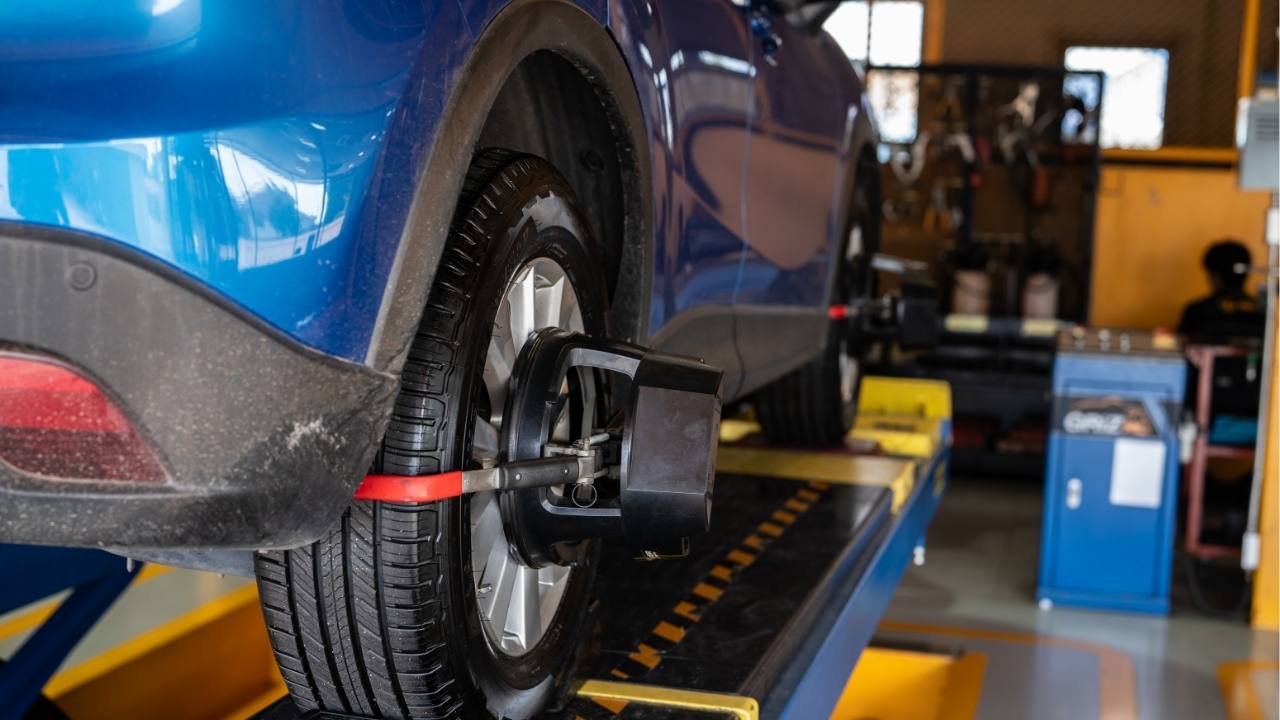
Rim Repair and Wheel Alignment: Why They Go Hand-in-Hand
You might not think twice about your wheels, until your car starts pulling to one side or your steering feels off. The truth is, even minor wheel damage can quietly affect your entire driving experience. And if you ignore it, it often gets worse.
In this guide, you’ll learn why rim repair and wheel alignment should never be treated as separate fixes, how they impact each other, and what steps you can take to keep your vehicle running smoothly.
Why Rim Damage Is More Than Just Cosmetic
It’s easy to assume that a bent or scratched rim is just an aesthetic issue. But the reality is, damaged rims can throw your entire wheel system out of balance.
When you hit a pothole or curb, your rim can bend slightly, even if you don’t notice it right away. Over time, this leads to:
Uneven tire wear
Vibrations while driving
Reduced fuel efficiency
Poor handling and control
If you’ve ever searched for “wheel rim repair near me in Oklahoma City,” chances are you were already dealing with one of these symptoms.
The key takeaway? A damaged rim doesn’t stay isolated, it affects everything connected to it.
How Wheel Alignment Comes Into Play
Wheel alignment ensures that your tires meet the road at the correct angle. When your alignment is off, your vehicle starts to behave differently and not in a good way.
Common signs of misalignment include:
Steering wheel not centered
Car pulling left or right
Tires wearing unevenly
Decreased driving stability
Here’s where things connect: a bent rim can cause alignment issues, and poor alignment can worsen rim damage over time.
That’s why most automotive services professionals recommend checking both at the same time. Fixing one without the other is like treating the symptom, not the cause.
Why You Should Fix Both Together
Think of your wheels as a system, not separate parts. When one component is off, everything else compensates, and that leads to bigger problems.
Here’s why combining rim repair and alignment makes sense:
Improved safety: Proper alignment and straight rims ensure better road grip
Longer tire life: Prevents uneven wear that shortens tire lifespan
Smoother driving: Eliminates vibrations and steering issues
Cost savings: Fixing both at once prevents repeat repairs
A trusted wheel repair shop will often inspect your alignment after fixing a rim. It’s not an upsell, it’s standard best practice.
Case Study: A Small Bend, A Big Problem
Jake, a daily commuter, hit a pothole during his morning drive. At first, everything seemed fine. But within a few weeks, he noticed his car pulling slightly to the right.
He replaced his tires, thinking that was the issue, but the problem didn’t go away.
When he finally visited a specialist, they found a slightly bent rim and misaligned wheels. After repairing the rim and correcting the alignment, his car drove like new again.
Jake’s mistake? Treating the problem in pieces instead of looking at the whole system.
When to Get Your Wheels Checked
You don’t need to wait for obvious damage to take action. Staying proactive can save you time, money, and stress.
Watch out for these warning signs:
You recently hit a pothole or curb
Your steering feels off or unstable
You notice uneven tire wear
Your car vibrates at higher speeds
If any of these sound familiar, it’s time to have both your rims and alignment inspected together.
Your wheels do more than just roll, they keep your car stable, safe, and efficient. Don’t treat rim repair and alignment as separate issues. Contact us today to get both checked together and keep your ride smooth, controlled, and ready for the road.