
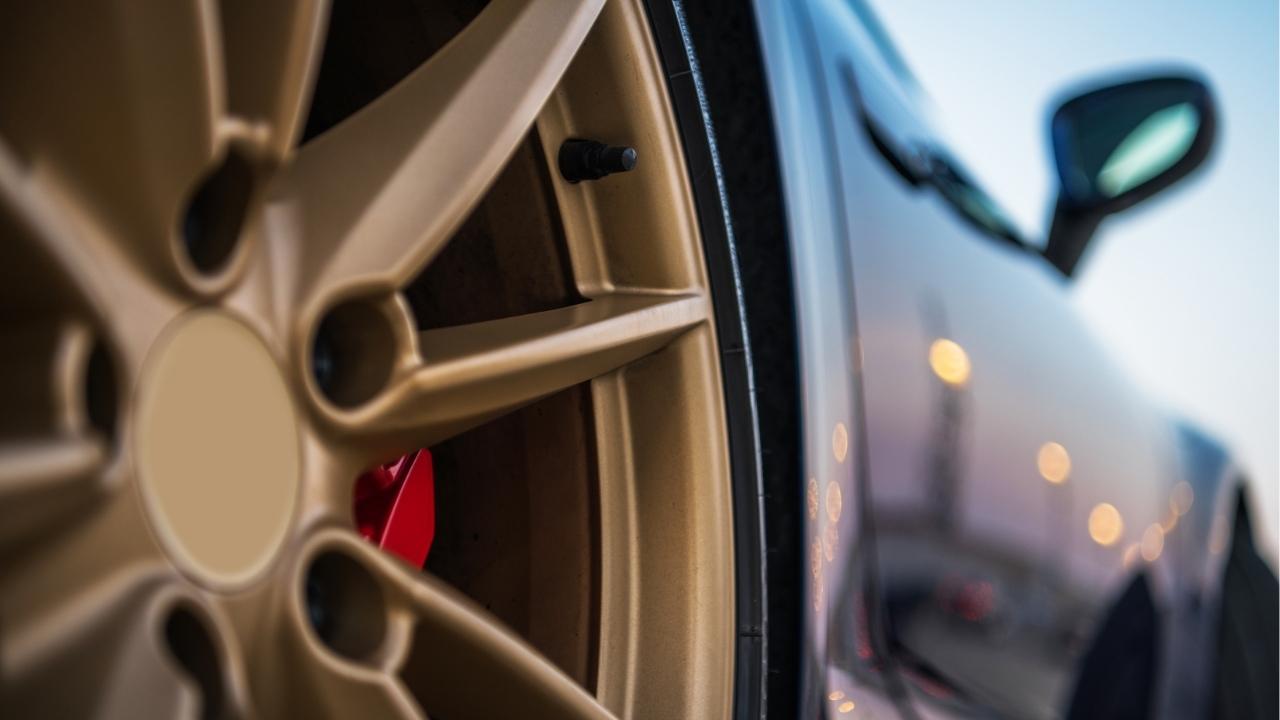
Cracked Rim vs Bent Rim: What’s the Difference?
A rough pothole, a sharp curb hit, or road debris can turn a normal drive into a costly surprise. One moment your vehicle feels smooth, and the next you notice vibration, air loss, or a strange wobble you cannot ignore. When that happens, the big question is simple: do you have a cracked rim or a bent rim?
Understanding the difference can help you act fast, protect your tires, and avoid bigger safety problems. If you are searching for dependable wheel repair solutions in Edmond OK, knowing what kind of damage you have is the first step toward getting your vehicle back on the road with confidence. A bent rim usually means the wheel has been knocked out of its proper shape, while a cracked rim means the metal has split or fractured.
Both problems need attention, but they are not the same. Bent wheels may sometimes be straightened through professional rim repair, depending on the severity. Cracked wheels are often more serious because the structure of the wheel may already be compromised. That is why smart automotive wheel care starts with an inspection instead of a guess.
In this guide, you will learn how cracked and bent rims differ, what signs to watch for, and when it is time to call a wheel repair specialist.
What Is a Bent Rim?
A bent rim happens when impact forces part of the wheel out of its original round shape. This is common after hitting potholes, curbs, road construction plates, or uneven pavement at the wrong angle.
A bent rim may look minor from the outside, but even a small bend can affect how your vehicle rides. Since the wheel is no longer perfectly round, the tire may not sit evenly against it. That can lead to vibration, uneven tire wear, and slow air leaks.
Common signs of a bent rim include:
Steering wheel vibration at certain speeds
A thumping or wobbling feeling while driving
Tire pressure dropping without an obvious puncture
Uneven tire wear
Visible dents or flat spots along the wheel edge
Poor handling or pulling to one side
The good news is that many bent rims can be repaired if the damage is not too severe. A technician can inspect the wheel, measure the bend, and determine whether it can be safely straightened.
What Is a Cracked Rim?
A cracked rim is more serious. Instead of being bent out of shape, the wheel has developed a split in the metal. Cracks often happen after hard impacts, but they can also develop over time if a bent wheel is ignored or repeatedly stressed.
Cracked rims can cause air to escape from the tire, sometimes slowly and sometimes suddenly. In worse cases, the crack can grow while driving, increasing the risk of tire failure or wheel failure.
Signs of a cracked rim may include:
Repeated tire air loss
A visible line, split, or fracture in the wheel
Air bubbles when the wheel is sprayed with soapy water
Clicking or unusual noises near the wheel
Vibration that gets worse over time
Damage near the bead seat or spoke area
Unlike many bent rims, cracked rims are not always repairable. Some cracks may be weldable by a qualified professional, but others make the wheel unsafe to reuse. The location, depth, and length of the crack all matter.
Cracked Rim vs Bent Rim: The Key Differences
The biggest difference comes down to structure. A bent rim has changed shape. A cracked rim has broken material.
Here is the practical difference for drivers:
A bent rim often affects ride quality first. You may feel shaking, wobbling, or steering vibration. The tire may still hold air, but the vehicle may not feel smooth or stable.
A cracked rim often affects air retention and safety. You may keep refilling the same tire, only to find it low again the next day. If the crack spreads, the wheel can become unsafe.
A bent rim may be repairable if the wheel has not been weakened too much. A cracked rim needs closer inspection because the wheel’s strength may already be compromised.
The mistake many drivers make is assuming vibration is “just a tire issue” or that low tire pressure means a nail is stuck somewhere. Sometimes that is true. But when the tire checks out and the problem keeps coming back, the rim itself may be the real cause.
Why You Should Not Ignore Rim Damage
Driving on a damaged rim can quietly create bigger problems. Your tire may wear faster, your suspension may take extra stress, and your vehicle may become harder to control at highway speeds.
A damaged rim can also cause:
Premature tire replacement
Poor fuel efficiency
Wheel balancing problems
Suspension wear
Reduced braking stability
Higher risk of tire blowouts
Even if the vehicle still drives, that does not mean the wheel is safe. Small wheel problems can turn into expensive repairs when they are ignored.
Short Case Study: A Small Bend That Became a Bigger Problem
A local driver noticed a light vibration after hitting a pothole on the way home. At first, the vehicle still drove fine, so they ignored it for two weeks. Then the tire pressure warning light came on twice in one week. During inspection, the wheel had a bend on the inner lip that was causing a slow leak. Because the issue was caught before the tire was badly damaged, the rim was repaired and the tire was saved. Waiting longer could have meant buying both a new wheel and a new tire.
When to Call a Wheel Repair Professional
You should schedule an inspection if your vehicle shakes, loses tire pressure, or feels different after a road impact. Guessing is risky because cracked and bent rims can share similar symptoms.
A professional can remove the wheel, inspect the inner and outer lip, check for cracks, test for leaks, and confirm whether repair or replacement is the safest choice.
Call a specialist if you notice:
Tire pressure keeps dropping
Vibration starts after hitting a pothole or curb
The wheel has visible damage
Your tire shop cannot find a puncture
The vehicle feels unstable at speed
You hear unusual wheel-area noises
The sooner you have the wheel checked, the better your chances of avoiding extra tire, suspension, or alignment costs.
Protect Your Ride Before the Damage Gets Worse
Cracked rims and bent rims are different problems, but both deserve fast attention. A bent rim may be fixable, while a cracked rim may need repair or replacement depending on the damage. The only way to know for sure is through a proper inspection.
If your vehicle has vibration, slow air loss, or visible wheel damage, contact a trusted local wheel repair specialist today and get your rim inspected before a small problem becomes a serious safety issue.