What Happens if You Delay Rim Repair?
A damaged rim might seem like something you can deal with later, especially if your vehicle still drives. The problem is that even minor wheel damage can become a much bigger issue over time. If you've been searching for “wheel repair near me in Edmond OK,” it's worth knowing what happens when rim damage is ignored before it leads to expensive repairs.
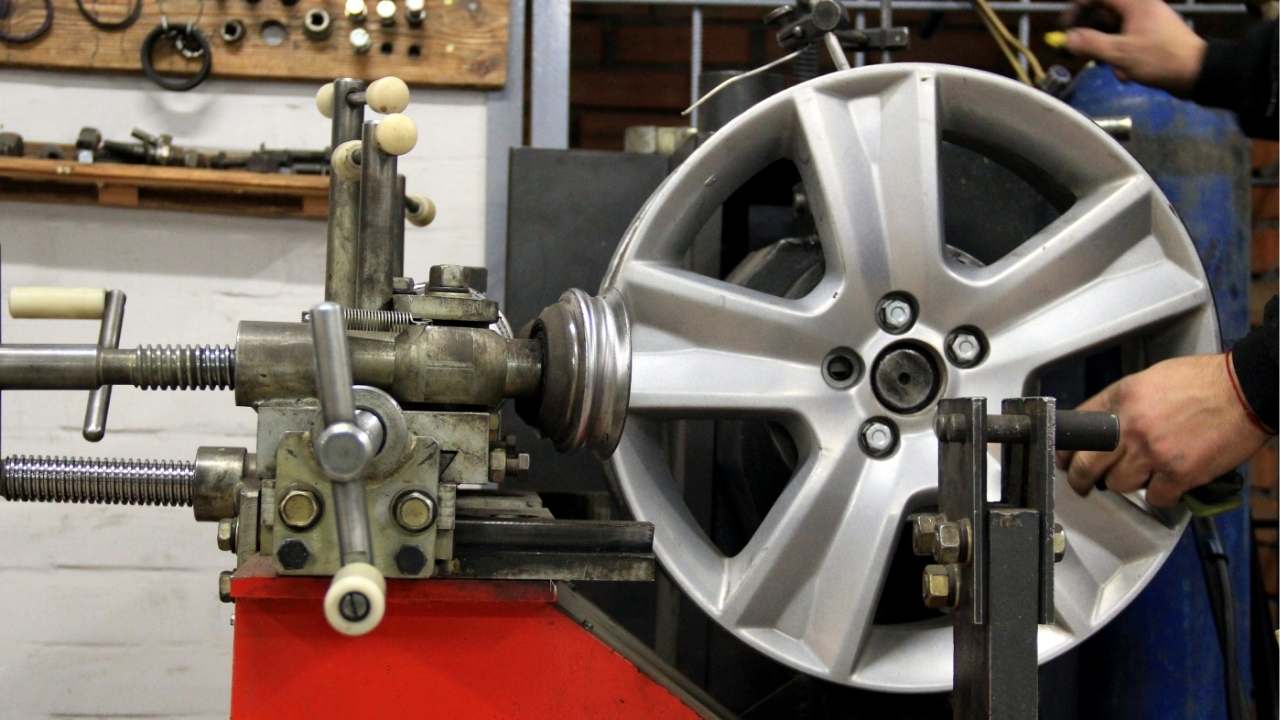
Many drivers assume a bent or cracked rim is only a cosmetic concern, but that's rarely the case. Damaged wheels affect how your tires, suspension, and steering system perform every time you drive. Choosing professional automotive services early can help prevent additional damage and improve both safety and vehicle performance. An experienced wheel repair shop can often restore a damaged rim before replacement becomes necessary.
In this guide, you'll learn why delaying rim repair costs more in the long run, the warning signs to watch for, and why acting quickly is one of the smartest decisions you can make.
Small Rim Damage Rarely Stays Small
Even a slight bend caused by a pothole or curb impact can worsen with everyday driving. Every mile places stress on the damaged area, gradually increasing the problem.
Common issues that grow worse include:
Bent wheel lips becoming more distorted
Small cracks spreading over time
Loss of structural strength
Reduced wheel balance
Increased vibration while driving
Repairing minor damage is typically faster, simpler, and less expensive than waiting until the wheel becomes severely compromised.
Uneven Tire Wear Increases Your Costs
Your tire depends on a perfectly round wheel to maintain even contact with the road. When a rim is bent, tire pressure and alignment are affected.
You may notice:
Bald spots on the tire
Premature tire replacement
Reduced traction during wet weather
Poor fuel efficiency
Increased road noise
Instead of replacing only a rim, delaying repairs may leave you paying for an entirely new set of tires.
Steering and Handling Become Less Predictable
A damaged rim doesn't only affect the wheel itself. It changes how your vehicle responds while driving.
Warning signs include:
Steering wheel vibration
Pulling to one side
Shaking at highway speeds
Reduced cornering stability
Difficulty maintaining control on rough roads
These handling problems often become progressively worse the longer the damaged rim remains in service.
Suspension Components Take Extra Stress
When a wheel no longer rotates correctly, the suspension absorbs additional impact forces.
Over time, this extra stress may damage:
Ball joints
Wheel bearings
Tie rods
Struts
Control arms
Repairing suspension components can cost significantly more than fixing the original rim damage.
Air Leaks Can Become a Constant Problem
Bent rims often prevent the tire bead from sealing properly.
This may lead to:
Slow tire pressure loss
Frequent trips to add air
Tire pressure warning lights
Reduced fuel economy
Increased risk of tire failure
Maintaining proper tire pressure is essential for safe braking and optimal tire life.
Cracks Can Become Dangerous
A small crack may not appear serious at first glance, but repeated impacts and road vibration can cause it to spread.
If a crack grows large enough, it can eventually result in:
Sudden air loss
Tire separation
Wheel failure
Loss of vehicle control
These situations become much more likely when repairs are postponed.
Cosmetic Damage Can Hurt Resale Value
Damaged wheels are among the first things buyers notice during an inspection.
Visible curb rash, bends, corrosion, or cracked rims can:
Lower your vehicle's value
Create the impression of poor maintenance
Reduce buyer confidence
Lead to lower trade-in offers
Keeping your wheels in excellent condition helps preserve your vehicle's appearance and market value.
Case Study: Early Repair Prevented Major Expenses
A driver noticed mild steering vibration after hitting a large pothole but continued driving for several months because the vehicle still felt manageable. During a routine inspection, technicians found the rim had become more severely bent, causing uneven tire wear and placing additional stress on a front wheel bearing. Instead of paying only for an early rim repair, the driver also needed two replacement tires and bearing repairs. Addressing the damage immediately after the impact would have significantly reduced both repair costs and vehicle downtime.
When Should You Schedule Rim Repair?
Have your wheels inspected if you notice:
Steering wheel vibration
Visible bends or cracks
Tire losing pressure repeatedly
Vehicle pulling while driving
Recent pothole or curb impact
Uneven tire wear
Grinding or unusual road noise
Early inspections can often identify damage before it becomes much more expensive.
Why Professional Inspection Matters
Not every damaged rim needs replacement. Professional technicians use specialized equipment to determine whether a wheel can be safely repaired or if replacement is the better option.
A proper inspection evaluates:
Structural integrity
Amount of wheel runout
Hidden cracks
Air seal condition
Overall repair safety
This ensures your vehicle returns to the road with restored performance and reliability.
Protect Your Vehicle Before Minor Damage Becomes Major
Delaying rim repair may seem like a way to save money, but it often leads to higher repair bills, faster tire wear, suspension damage, and increased safety risks. Addressing wheel damage early helps protect your investment while keeping your vehicle operating as it should.
If you've noticed vibrations, air leaks, or visible wheel damage, now is the ideal time to schedule a professional inspection. Prompt repairs can extend the life of your tires, improve driving comfort, and help you avoid much larger repair costs later.
Contact us today to schedule a professional rim inspection and restore your wheels before minor damage turns into a major expense.